

Consulting / Generative AI solutions
Useful AI.
Inside the work.
Generative AI implementation connects a useful business application with a scoped solution: selection, building, testing, integration, and team rollout.
Where this helps
A chat window is a starting point. Your workflow needs more.
Useful AI needs the right information, a place in the process, and a clear standard for acceptable output. The project connects those pieces around a specific business task.
Possible applications
- Draft responses or documents from approved source material.
- Summarize incoming documents for a reviewer.
- Help a team find and work with its company knowledge.
Examples to discuss for your business; the proposal defines the actual project.
Project deliverables
A solution for a defined task
A scoped AI workflow or prototype connected to the information and tools agreed for the project.
Evaluation before wider use
Representative test cases, an output quality standard, and defined review and exception handling.
A practical rollout
Instructions, ownership, and a team walkthrough, with access and ongoing maintenance responsibilities agreed.
The proposal defines whether we are delivering a prototype, pilot, or production integration. Data access, provider costs, human review, and support are agreed for that stage.
How the work moves forward
One workflow.
A defined scope. A usable handover.
- 01
Understand the work
Discuss the goal, a recent example, the people involved, and the systems it touches.
- 02
Agree the scope
Define the deliverable, access, delivery stage, fee, timing, and responsibilities in writing.
- 03
Build & test
Build the agreed solution or operating design, then evaluate it against the agreed acceptance criteria.
- 04
Hand over
Document operation and recovery, clarify ownership, and walk the team through the work.
Start with a fit conversation. Paid work begins after the written scope is agreed. Discuss your project
Is the design sprint required?
A defined project can go directly to implementation scoping. The paid design sprint is useful when the workflow, constraints, or direction need to be established first.
Can we use our existing systems?
We start with the tools and process you already use. Feasibility depends on available integrations, access, data quality, and your requirements. We agree the connections before building.
What determines the fee and timing?
The workflow, delivery stage, connections, evaluation, and team participation determine scope. Deliverables, fee, timing, recurring tool costs, and responsibilities are agreed in writing before paid work.
What happens after the build?
The agreed handover includes documentation, ownership, and a walkthrough. Any ongoing support, provider subscriptions, access, and rights to deliverables are defined in the proposal; continuing support is a separate agreement.
Connected to the wider work
From an AI idea to an available product.
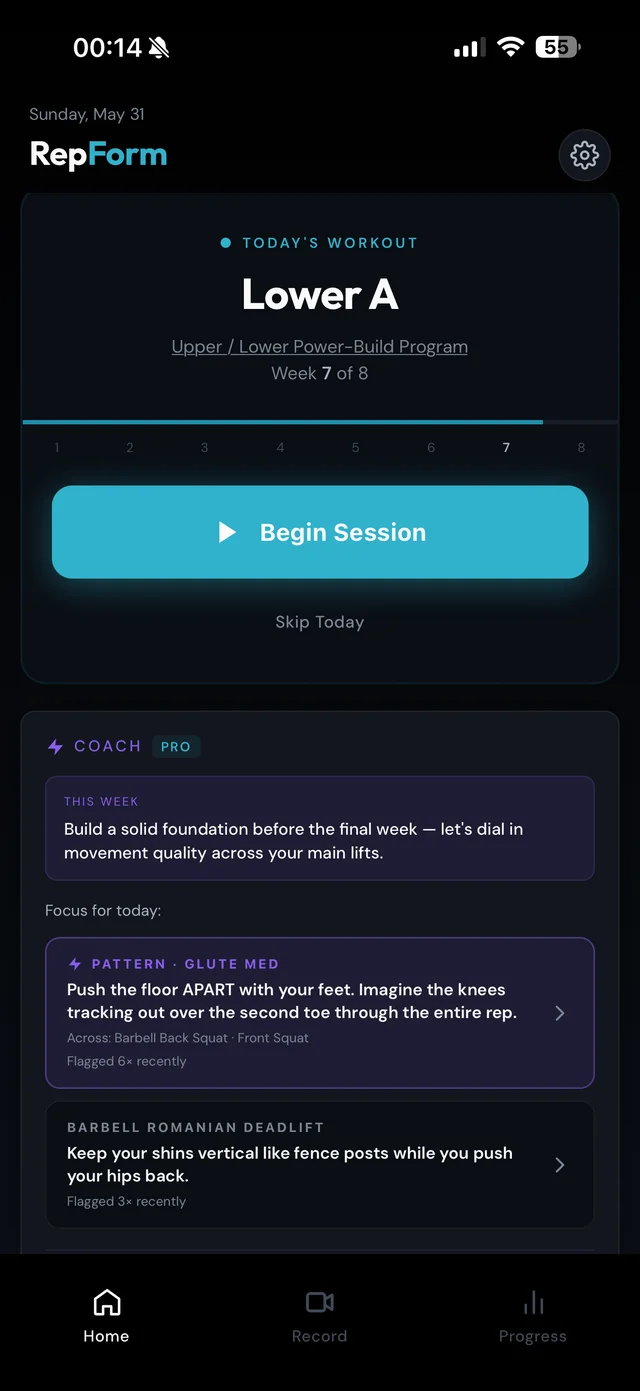
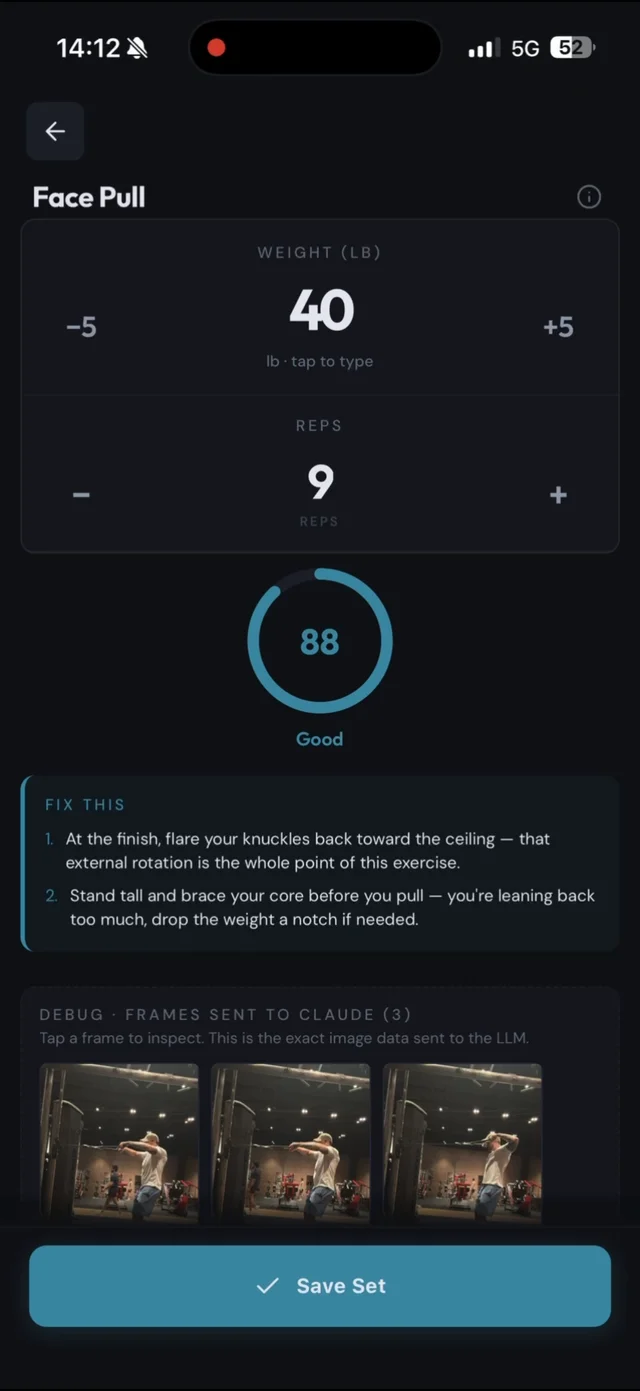
RepForm AI is a fitness product created by Aaron Dillingham, with personalized training and form feedback. It demonstrates hands-on AI product development.
See RepForm AIPicture a scoped build
Sources. Draft. Review. Handover.
Explore an illustrative proposal workflow, with approved information, human review, and a defined next action.
See the workflow exampleWork with Aaron
Where could AI help your team?
Describe your business and the work that needs to improve. Start with a conversation about fit, then agree the deliverables, fee, and timing in writing.
Discuss your project