

Consulting / People & organizational alignment
Clear roles.
Connected teams.
Align organizational structure, roles, and working relationships with the systems and technology the business needs. Put clear responsibility behind the change.
Where this helps
Work stalls when responsibility is unclear.
Teams can have capable people and good software while decisions still wait, work gets repeated, and accountability falls between departments. A useful design makes those relationships explicit.
Possible applications
- Clarify who owns a process and who can make a decision.
- Redesign handoffs across roles and departments.
- Prepare the team to use an automation or AI workflow.
Examples to discuss for your business; the proposal defines the actual project.
Project deliverables
A map of how the work is organized
The roles, handoffs, decision points, and operating constraints behind the problem.
A clearer operating design
Recommended responsibilities, decision authority, and process or structure changes for the agreed area.
A plan to put it into practice
Priorities, named owners, and team guidance connected to the technology or workflow change.
We define the team or process in scope and involve the people who do the work. This can be a focused engagement or part of an AI or automation implementation.
How the work moves forward
One workflow.
A defined scope. A usable handover.
- 01
Understand the work
Discuss the goal, a recent example, the people involved, and the systems it touches.
- 02
Agree the scope
Define the deliverable, access, delivery stage, fee, timing, and responsibilities in writing.
- 03
Build & test
Build the agreed solution or operating design, then evaluate it against the agreed acceptance criteria.
- 04
Hand over
Document operation and recovery, clarify ownership, and walk the team through the work.
Start with a fit conversation. Paid work begins after the written scope is agreed. Discuss your project
Is the design sprint required?
A defined project can go directly to implementation scoping. The paid design sprint is useful when the workflow, constraints, or direction need to be established first.
Can we use our existing systems?
We start with the tools and process you already use. Feasibility depends on available integrations, access, data quality, and your requirements. We agree the connections before building.
What determines the fee and timing?
The workflow, delivery stage, connections, evaluation, and team participation determine scope. Deliverables, fee, timing, recurring tool costs, and responsibilities are agreed in writing before paid work.
What happens after the build?
The agreed handover includes documentation, ownership, and a walkthrough. Any ongoing support, provider subscriptions, access, and rights to deliverables are defined in the proposal; continuing support is a separate agreement.
Connected to the wider work
People, leadership, and organizational structure.
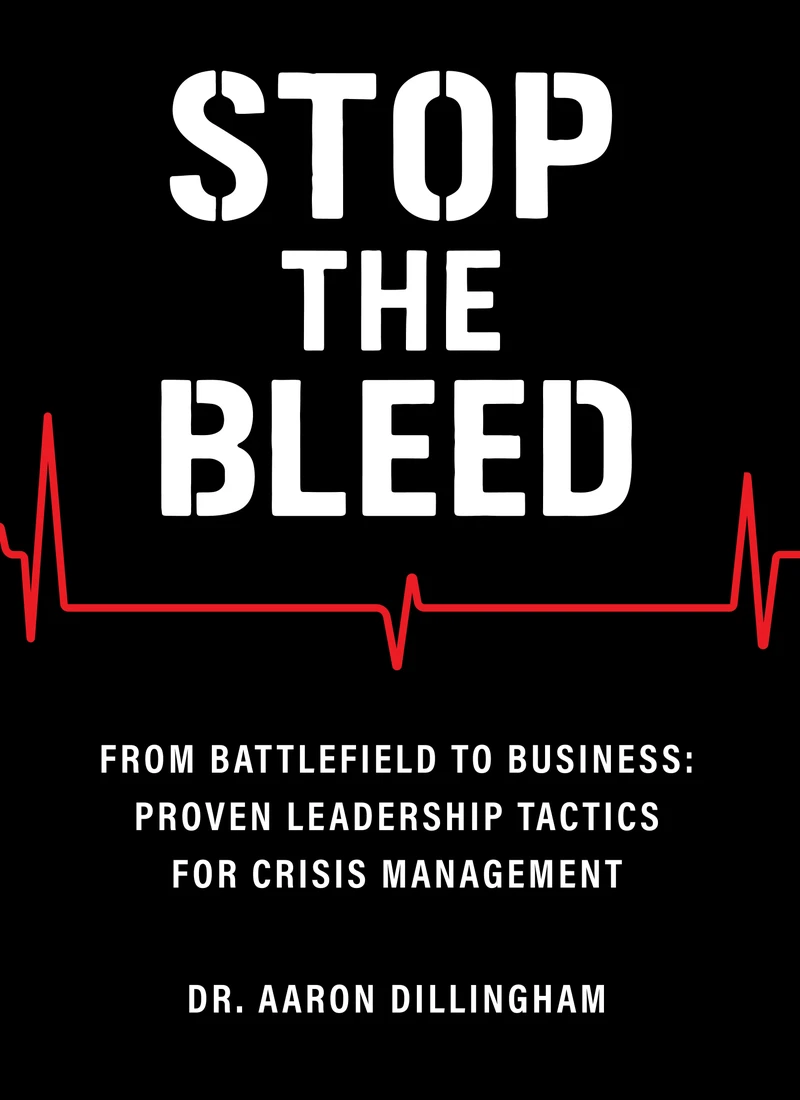
Aaron Dillingham holds an EdD in Leadership and Learning in Organizations from Vanderbilt University. That background informs the approach to organizational structure and change. Stop the Bleed connects his combat-medic experience to leadership, priorities, and decisions under pressure.
Explore Stop the BleedStill deciding where to start?
A focused design sprint can establish the workflow, constraints, and practical next step before an implementation.
Explore the Workflow Design SprintWork with Aaron
Where are roles or handoffs getting in the way?
Describe your business and the work that needs to improve. Start with a conversation about fit, then agree the deliverables, fee, and timing in writing.
Discuss your project